
- 14 October 2026
- Schemes & committees
Ayodhya Ram Temple Receives FSSAI's 'Eat Right Place of Worship' Certification
The Food Safety and Standards Authority of India (FSSAI) has recognised the Shri Ram Janmabhoomi Teerth Kshetra in Ayodhya, Uttar Pradesh, under the 'Eat Right Place of Worship' initiative. The certification relates to compliance with food safety and hygiene practices in the preparation, storage, and distribution of prasad and community meals at the religious site. According to the report, FSSAI Chief Executive Officer Rajit Punhani presented the certificate at a ceremony held on 10 October 2026...
The Food Safety and Standards Authority of India (FSSAI) has recognised the Shri Ram Janmabhoomi Teerth Kshetra in Ayodhya, Uttar Pradesh, under the 'Eat Right Place of Worship' initiative. The certification relates to compliance with food safety and hygiene practices in the preparation, storage, and distribution of prasad and community meals at the religious site. According to the report, FSSAI Chief Executive Officer Rajit Punhani presented the certificate at a ceremony held on 10 October 2026. The certification is stated to be valid until 10 October 2028. This initiative highlights the importance of food quality and the protection of devotees' health at large religious sites. Objective of the 'Eat Right Places of Worship' Initiative 'Eat Right Places of Worship' is an FSSAI initiative intended to promote hygiene and food safety in the preparation and distribution of food at religious places. Temples, gurdwaras, and other religious institutions provide prasad, langar, and community meals to large numbers of devotees. Therefore, safe food handling, appropriate temperature control, clean water, hygienic kitchens, and safe distribution systems are particularly important. The initiative seeks to raise awareness among food handlers and reduce the risks of food contamination and foodborne diseases. Food Safety and Standards Authority of India (FSSAI): Establishment and Legal Basis FSSAI is the statutory authority responsible for regulating food safety and standards in India. It was established under the Food Safety and Standards Act, 2006, and functions under the Ministry of Health and Family Welfare. Its principal objective is to prescribe food safety standards and promote compliance across food manufacturing, processing, storage, distribution, sale, and import. FSSAI plays an important role in providing consumers with safe and quality food, preventing food adulteration, and improving regulatory awareness among food business operators. Food Safety Certification Process at Religious Places Assessment of food safety and hygiene arrangements is an important part of such initiatives. According to the supplied details, the process includes an initial audit, training for food handlers, and a final third-party audit. The assessment may cover kitchen hygiene, safe food storage, availability of clean water, personal hygiene of staff, and food-distribution procedures. Training helps food handlers understand safe food-management practices, while audits help assess compliance with prescribed requirements. The specific conditions for certification are determined by the relevant official guidelines. Relationship Between Food Safety and Public Health Food safety is an important component of public health. Contaminated food or water can cause diarrhoea, food poisoning, and other foodborne illnesses. Since community meals are distributed on a large scale at religious places, even a minor lapse in hygiene can affect a large number of people. Practices such as preparing food safely, keeping raw and cooked foods separate, maintaining appropriate food temperatures, and using clean water can reduce these risks. Therefore, food safety training and regular monitoring at religious institutions strengthen public health protection as well as consumer confidence. Importance for UPSC and Examination-Related Facts This news provides a useful example of the relationship between governance, food safety, and public health. For the UPSC Preliminary Examination, questions may relate to the establishment of FSSAI, the Food Safety and Standards Act, 2006, the relevant ministry, and the objectives of the initiative. For GS Paper 2 of the Main Examination, the topic can be linked to the role of statutory bodies. For GS Paper 3, it is relevant to public health, food quality, consumer protection, and food safety administration. In answer writing, candidates can also explain that certification alone is not sufficient. Regular monitoring, staff training, hygienic infrastructure, and effective compliance are essential to ensure food safety.
Read More
- 14 October 2026
- Schemes & committees
Ayodhya Ram Temple Receives FSSAI's 'Eat Right Place of Worship' Certification
The Food Safety and Standards Authority of India (FSSAI) has recognised the Shri Ram Janmabhoomi Teerth Kshetra in Ayodhya, Uttar Pradesh, under the 'Eat Right Place of Worship' initiative. The certification relates to compliance with food safety and hygiene practices in the preparation, storage, and distribution of prasad and community meals at the religious site. According to the report, FSSAI Chief Executive Officer Rajit Punhani presented the certificate at a ceremony held on 10 October 2026...
The Food Safety and Standards Authority of India (FSSAI) has recognised the Shri Ram Janmabhoomi Teerth Kshetra in Ayodhya, Uttar Pradesh, under the 'Eat Right Place of Worship' initiative. The certification relates to compliance with food safety and hygiene practices in the preparation, storage, and distribution of prasad and community meals at the religious site. According to the report, FSSAI Chief Executive Officer Rajit Punhani presented the certificate at a ceremony held on 10 October 2026. The certification is stated to be valid until 10 October 2028. This initiative highlights the importance of food quality and the protection of devotees' health at large religious sites. Objective of the 'Eat Right Places of Worship' Initiative 'Eat Right Places of Worship' is an FSSAI initiative intended to promote hygiene and food safety in the preparation and distribution of food at religious places. Temples, gurdwaras, and other religious institutions provide prasad, langar, and community meals to large numbers of devotees. Therefore, safe food handling, appropriate temperature control, clean water, hygienic kitchens, and safe distribution systems are particularly important. The initiative seeks to raise awareness among food handlers and reduce the risks of food contamination and foodborne diseases. Food Safety and Standards Authority of India (FSSAI): Establishment and Legal Basis FSSAI is the statutory authority responsible for regulating food safety and standards in India. It was established under the Food Safety and Standards Act, 2006, and functions under the Ministry of Health and Family Welfare. Its principal objective is to prescribe food safety standards and promote compliance across food manufacturing, processing, storage, distribution, sale, and import. FSSAI plays an important role in providing consumers with safe and quality food, preventing food adulteration, and improving regulatory awareness among food business operators. Food Safety Certification Process at Religious Places Assessment of food safety and hygiene arrangements is an important part of such initiatives. According to the supplied details, the process includes an initial audit, training for food handlers, and a final third-party audit. The assessment may cover kitchen hygiene, safe food storage, availability of clean water, personal hygiene of staff, and food-distribution procedures. Training helps food handlers understand safe food-management practices, while audits help assess compliance with prescribed requirements. The specific conditions for certification are determined by the relevant official guidelines. Relationship Between Food Safety and Public Health Food safety is an important component of public health. Contaminated food or water can cause diarrhoea, food poisoning, and other foodborne illnesses. Since community meals are distributed on a large scale at religious places, even a minor lapse in hygiene can affect a large number of people. Practices such as preparing food safely, keeping raw and cooked foods separate, maintaining appropriate food temperatures, and using clean water can reduce these risks. Therefore, food safety training and regular monitoring at religious institutions strengthen public health protection as well as consumer confidence. Importance for UPSC and Examination-Related Facts This news provides a useful example of the relationship between governance, food safety, and public health. For the UPSC Preliminary Examination, questions may relate to the establishment of FSSAI, the Food Safety and Standards Act, 2006, the relevant ministry, and the objectives of the initiative. For GS Paper 2 of the Main Examination, the topic can be linked to the role of statutory bodies. For GS Paper 3, it is relevant to public health, food quality, consumer protection, and food safety administration. In answer writing, candidates can also explain that certification alone is not sufficient. Regular monitoring, staff training, hygienic infrastructure, and effective compliance are essential to ensure food safety.
Read More

- 14 October 2026
- Important days
World Standards Day 2026
World Standards Day, also known as International Standards Day, is observed every year on 14 October. Its objective is to recognise the contributions of experts involved in developing international standards and raise awareness among industries, governments, and the public about the importance of standardisation. Standards help ensure the quality, safety, reliability, and compatibility of products and services, as well as different technical systems. In the global economy, common standards play...
World Standards Day, also known as International Standards Day, is observed every year on 14 October. Its objective is to recognise the contributions of experts involved in developing international standards and raise awareness among industries, governments, and the public about the importance of standardisation. Standards help ensure the quality, safety, reliability, and compatibility of products and services, as well as different technical systems. In the global economy, common standards play an important role in facilitating international trade and strengthening technological cooperation. World Standards Day 2026 Theme and Sustainable Development Goal 7 The official theme for 2026 is reported as: “Shared Vision for a Better World: Spotlight on SDG 7 – Affordable and Clean Energy.” Its primary objective is to highlight the role of international standards in ensuring access to clean, safe, reliable, and affordable energy. Common standards for solar energy equipment, electricity systems, and energy-efficient technologies help improve safety, efficiency, and technical compatibility. The United Nations Sustainable Development Goal 7 focuses on ensuring access to affordable, reliable, sustainable, and modern energy for all. History of World Standards Day and International Standardisation On 14 October 1946, representatives from 25 countries gathered in London to discuss the establishment of an organisation for international standardisation. This process led to the establishment of the International Organization for Standardization (ISO) in 1947. World Standards Day was first observed on 14 October 1970. The day recognises the collective efforts of experts who develop common international standards for products, services, and technical systems across countries. These standards support technological cooperation, global trade, and progress towards sustainable development goals. Three Major International Standardisation Organisations: ISO, IEC, and ITU Three major international organisations play an important role in World Standards Day. The International Organization for Standardization (ISO) develops international standards for various industries and sectors. The International Electrotechnical Commission (IEC) develops standards for electrical, electronic, and related technologies. The International Telecommunication Union (ITU) is a specialised agency of the United Nations that promotes international cooperation and standards in telecommunications and information and communication technologies. Cooperation among these organisations improves compatibility between equipment, communication systems, and technologies across different countries. Role of the Bureau of Indian Standards (BIS) in India The Bureau of Indian Standards (BIS) is India's national standards body. It was established under the Bureau of Indian Standards Act, 1986, replacing the Indian Standards Institution (ISI). At present, the BIS Act, 2016, provides the principal legal framework for standardisation and conformity assessment in India. It came into effect on 12 October 2017. BIS develops Indian standards, administers product certification, promotes quality awareness, and protects consumer interests. The ISI mark and other prescribed certification marks inform consumers about a product's conformity with the applicable standards. However, a single certification system does not apply to all products; requirements depend on the product and the applicable rules. Importance of International Standards and Their Relevance for UPSC International standards help improve product quality and safety, promote technological innovation, and reduce technical barriers to trade between countries. In the energy sector, they are important for solar panels, electrical equipment, energy efficiency, and compatibility between electricity systems. In digital technology and telecommunications, standards facilitate communication between different devices and networks. In the context of the environment and sustainable development, standards can support efficient resource use and the safe implementation of clean technologies. For the UPSC Preliminary Examination, important topics include the date of World Standards Day, the 2026 theme, the functions of ISO, IEC, and ITU, and the role of BIS. For GS Paper 3 of the Main Examination, the topic can be linked to energy security, renewable energy, Science and Technology, consumer protection, and sustainable development.
Read More
- 14 October 2026
- Important days
World Standards Day 2026
World Standards Day, also known as International Standards Day, is observed every year on 14 October. Its objective is to recognise the contributions of experts involved in developing international standards and raise awareness among industries, governments, and the public about the importance of standardisation. Standards help ensure the quality, safety, reliability, and compatibility of products and services, as well as different technical systems. In the global economy, common standards play...
World Standards Day, also known as International Standards Day, is observed every year on 14 October. Its objective is to recognise the contributions of experts involved in developing international standards and raise awareness among industries, governments, and the public about the importance of standardisation. Standards help ensure the quality, safety, reliability, and compatibility of products and services, as well as different technical systems. In the global economy, common standards play an important role in facilitating international trade and strengthening technological cooperation. World Standards Day 2026 Theme and Sustainable Development Goal 7 The official theme for 2026 is reported as: “Shared Vision for a Better World: Spotlight on SDG 7 – Affordable and Clean Energy.” Its primary objective is to highlight the role of international standards in ensuring access to clean, safe, reliable, and affordable energy. Common standards for solar energy equipment, electricity systems, and energy-efficient technologies help improve safety, efficiency, and technical compatibility. The United Nations Sustainable Development Goal 7 focuses on ensuring access to affordable, reliable, sustainable, and modern energy for all. History of World Standards Day and International Standardisation On 14 October 1946, representatives from 25 countries gathered in London to discuss the establishment of an organisation for international standardisation. This process led to the establishment of the International Organization for Standardization (ISO) in 1947. World Standards Day was first observed on 14 October 1970. The day recognises the collective efforts of experts who develop common international standards for products, services, and technical systems across countries. These standards support technological cooperation, global trade, and progress towards sustainable development goals. Three Major International Standardisation Organisations: ISO, IEC, and ITU Three major international organisations play an important role in World Standards Day. The International Organization for Standardization (ISO) develops international standards for various industries and sectors. The International Electrotechnical Commission (IEC) develops standards for electrical, electronic, and related technologies. The International Telecommunication Union (ITU) is a specialised agency of the United Nations that promotes international cooperation and standards in telecommunications and information and communication technologies. Cooperation among these organisations improves compatibility between equipment, communication systems, and technologies across different countries. Role of the Bureau of Indian Standards (BIS) in India The Bureau of Indian Standards (BIS) is India's national standards body. It was established under the Bureau of Indian Standards Act, 1986, replacing the Indian Standards Institution (ISI). At present, the BIS Act, 2016, provides the principal legal framework for standardisation and conformity assessment in India. It came into effect on 12 October 2017. BIS develops Indian standards, administers product certification, promotes quality awareness, and protects consumer interests. The ISI mark and other prescribed certification marks inform consumers about a product's conformity with the applicable standards. However, a single certification system does not apply to all products; requirements depend on the product and the applicable rules. Importance of International Standards and Their Relevance for UPSC International standards help improve product quality and safety, promote technological innovation, and reduce technical barriers to trade between countries. In the energy sector, they are important for solar panels, electrical equipment, energy efficiency, and compatibility between electricity systems. In digital technology and telecommunications, standards facilitate communication between different devices and networks. In the context of the environment and sustainable development, standards can support efficient resource use and the safe implementation of clean technologies. For the UPSC Preliminary Examination, important topics include the date of World Standards Day, the 2026 theme, the functions of ISO, IEC, and ITU, and the role of BIS. For GS Paper 3 of the Main Examination, the topic can be linked to energy security, renewable energy, Science and Technology, consumer protection, and sustainable development.
Read More

- 14 October 2026
- Appointments
Prakash Rajpurohit Appointed Deputy Election Commissioner
Prakash Rajpurohit, a 2010-batch IAS officer of the Rajasthan cadre, has been appointed Deputy Election Commissioner in the Election Commission of India (ECI). According to an order issued by the Department of Personnel and Training (DoPT) on 10 October 2026, he will succeed Sanjay Kumar and hold the position until 8 April 2030. Before this appointment, he was serving as Joint Secretary in the Department of Defence Production under the Ministry of Defence. The appointment is significant for stre...
Prakash Rajpurohit, a 2010-batch IAS officer of the Rajasthan cadre, has been appointed Deputy Election Commissioner in the Election Commission of India (ECI). According to an order issued by the Department of Personnel and Training (DoPT) on 10 October 2026, he will succeed Sanjay Kumar and hold the position until 8 April 2030. Before this appointment, he was serving as Joint Secretary in the Department of Defence Production under the Ministry of Defence. The appointment is significant for strengthening the Election Commission's administrative machinery and managing election-related operations. Election Commission of India: Constitutional Basis and Establishment The Election Commission of India is an independent constitutional body established on 25 January 1950. Article 324 of the Constitution vests in the Commission the power of superintendence, direction, and control over the preparation of electoral rolls and elections to Parliament, state legislatures, and the offices of the President and Vice-President. Its objective is to ensure free, fair, and transparent elections. It is important to note that elections to panchayats and municipalities are conducted by State Election Commissions, not by the Election Commission of India. Role and Administrative Significance of the Deputy Election Commissioner Deputy Election Commissioners are senior officers who assist the Election Commission in its administrative and operational responsibilities. Their work may involve election programme management, electoral-roll-related activities, coordination with election officials, and implementation of election procedures. However, the post of Deputy Election Commissioner is distinct from the constitutional positions of Chief Election Commissioner and Election Commissioners. Their appointments and administrative status should be understood separately from the constitutional composition of the Commission. An effective administrative structure supports the timely conduct of elections and implementation of election-related directions. Major Powers and Functions of the Election Commission Under Article 324, the Election Commission has constitutional responsibility for the superintendence, direction, and control of elections. Its major functions include determining election schedules, overseeing the preparation of electoral rolls, performing statutory functions relating to the registration and recognition of political parties, and monitoring compliance with the Model Code of Conduct. The Commission acts under applicable laws and rules to maintain fairness in the electoral process. Additionally, Article 325 prohibits exclusion from electoral rolls on grounds of religion, race, caste, or sex, while Article 326 provides for elections based on adult suffrage. Administrative Reshuffle and the National Testing Agency (NTA) The report also mentions appointments made by the Appointments Committee of the Cabinet (ACC) to Joint Secretary-level positions in various ministries and institutions. These include the appointment of Vivek Khare as Joint Secretary in the National Testing Agency (NTA). The NTA was established as a specialised organisation to conduct entrance examinations for higher educational institutions and other designated examinations. Examination management, question-paper security, timely results, and grievance redressal are important aspects of its credibility. Important Constitutional Facts and Analysis for UPSC For preparation related to this news, aspirants should study Part XV of the Constitution and the key provisions concerning the Election Commission. Article 324 relates to the powers of the Election Commission; Article 325 prohibits discrimination in electoral rolls; Article 326 deals with adult suffrage; and Articles 327 and 328 concern the powers of Parliament and state legislatures to make laws relating to elections. These provisions can be used in GS Paper 2 answers on the independence of the Election Commission, electoral transparency, institutional accountability, and electoral reforms. Candidates should also clearly distinguish constitutional office-holders from administrative officers working within the Commission.
Read More
- 14 October 2026
- Appointments
Prakash Rajpurohit Appointed Deputy Election Commissioner
Prakash Rajpurohit, a 2010-batch IAS officer of the Rajasthan cadre, has been appointed Deputy Election Commissioner in the Election Commission of India (ECI). According to an order issued by the Department of Personnel and Training (DoPT) on 10 October 2026, he will succeed Sanjay Kumar and hold the position until 8 April 2030. Before this appointment, he was serving as Joint Secretary in the Department of Defence Production under the Ministry of Defence. The appointment is significant for stre...
Prakash Rajpurohit, a 2010-batch IAS officer of the Rajasthan cadre, has been appointed Deputy Election Commissioner in the Election Commission of India (ECI). According to an order issued by the Department of Personnel and Training (DoPT) on 10 October 2026, he will succeed Sanjay Kumar and hold the position until 8 April 2030. Before this appointment, he was serving as Joint Secretary in the Department of Defence Production under the Ministry of Defence. The appointment is significant for strengthening the Election Commission's administrative machinery and managing election-related operations. Election Commission of India: Constitutional Basis and Establishment The Election Commission of India is an independent constitutional body established on 25 January 1950. Article 324 of the Constitution vests in the Commission the power of superintendence, direction, and control over the preparation of electoral rolls and elections to Parliament, state legislatures, and the offices of the President and Vice-President. Its objective is to ensure free, fair, and transparent elections. It is important to note that elections to panchayats and municipalities are conducted by State Election Commissions, not by the Election Commission of India. Role and Administrative Significance of the Deputy Election Commissioner Deputy Election Commissioners are senior officers who assist the Election Commission in its administrative and operational responsibilities. Their work may involve election programme management, electoral-roll-related activities, coordination with election officials, and implementation of election procedures. However, the post of Deputy Election Commissioner is distinct from the constitutional positions of Chief Election Commissioner and Election Commissioners. Their appointments and administrative status should be understood separately from the constitutional composition of the Commission. An effective administrative structure supports the timely conduct of elections and implementation of election-related directions. Major Powers and Functions of the Election Commission Under Article 324, the Election Commission has constitutional responsibility for the superintendence, direction, and control of elections. Its major functions include determining election schedules, overseeing the preparation of electoral rolls, performing statutory functions relating to the registration and recognition of political parties, and monitoring compliance with the Model Code of Conduct. The Commission acts under applicable laws and rules to maintain fairness in the electoral process. Additionally, Article 325 prohibits exclusion from electoral rolls on grounds of religion, race, caste, or sex, while Article 326 provides for elections based on adult suffrage. Administrative Reshuffle and the National Testing Agency (NTA) The report also mentions appointments made by the Appointments Committee of the Cabinet (ACC) to Joint Secretary-level positions in various ministries and institutions. These include the appointment of Vivek Khare as Joint Secretary in the National Testing Agency (NTA). The NTA was established as a specialised organisation to conduct entrance examinations for higher educational institutions and other designated examinations. Examination management, question-paper security, timely results, and grievance redressal are important aspects of its credibility. Important Constitutional Facts and Analysis for UPSC For preparation related to this news, aspirants should study Part XV of the Constitution and the key provisions concerning the Election Commission. Article 324 relates to the powers of the Election Commission; Article 325 prohibits discrimination in electoral rolls; Article 326 deals with adult suffrage; and Articles 327 and 328 concern the powers of Parliament and state legislatures to make laws relating to elections. These provisions can be used in GS Paper 2 answers on the independence of the Election Commission, electoral transparency, institutional accountability, and electoral reforms. Candidates should also clearly distinguish constitutional office-holders from administrative officers working within the Commission.
Read More
- 14 October 2026
- Appointments
Tukaram Mundhe Appointed Secretary of Committee to Overhaul the Maharashtra Public Service Commission
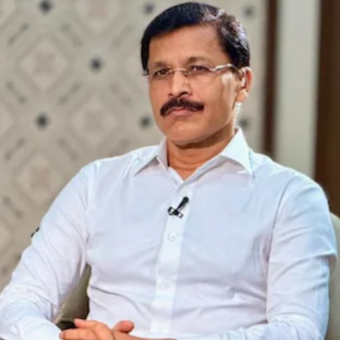
On 11 October 2026, the Maharashtra government constituted a committee to assess reforms in the examination and recruitment processes of the Maharashtra Public Service Commission (MPSC). Retired judge Dilip Bhosale was appointed Chairman, while Tukaram Mundhe, the state's Commissioner of Food and Drug Administration, was appointed Secretary. The initiative aims to improve recruitment transparency, investigate alleged examination irregularities, and address candidates' grievances. The move follow...
On 11 October 2026, the Maharashtra government constituted a committee to assess reforms in the examination and recruitment processes of the Maharashtra Public Service Commission (MPSC). Retired judge Dilip Bhosale was appointed Chairman, while Tukaram Mundhe, the state's Commissioner of Food and Drug Administration, was appointed Secretary. The initiative aims to improve recruitment transparency, investigate alleged examination irregularities, and address candidates' grievances. The move followed protests by candidates in Pune demanding timely recruitment to vacant posts and improvements in the examination system. Composition and Scope of the Committee According to the report, the committee consists of five members drawn from judicial, administrative, and police services. Dilip Bhosale is the Chairman, Tukaram Mundhe the Secretary, and Lakshmi Gautam, Ganesh Patil, and P. D. Naik are the other members. The committee has been tasked with examining problems related to examinations and recruitment within two months. Its scope includes reviewing alleged question-paper leaks, examination irregularities, recruitment delays, and administrative procedures. Such committees can help identify institutional shortcomings in recruitment systems and recommend corrective measures. Major Demands of Candidates and Transparency in Recruitment During the protests in Pune, candidates demanded faster recruitment to government posts, an increase in the number of Group C vacancies, investigations into examination irregularities, and reconsideration of cases registered against protest participants. The report also mentions a demand to fill approximately 70,000 vacancies over three years. These demands highlight the need for time-bound recruitment, equal opportunities, and administrative accountability in public recruitment. Impartial investigations into allegations of question-paper leaks or recruitment irregularities, action against those found responsible under applicable rules, and procedural and technological reforms are important for restoring candidates' confidence. Maharashtra Public Service Commission (MPSC): Role and Significance The Maharashtra Public Service Commission operates within the constitutional framework governing recruitment to various government posts in the state. It plays an important role in conducting examinations and selecting eligible candidates in accordance with applicable eligibility and recruitment rules. State Public Service Commissions aim to provide qualified and capable human resources for public administration. Ensuring fairness, transparency, and timeliness in recruitment is essential for good governance. Constitutional Provisions Relating to Public Service Commissions Part XIV of the Indian Constitution, particularly Articles 315 to 323, contains key provisions relating to the Union and State Public Service Commissions. Article 315 provides for Public Service Commissions for the Union and the states. Article 316 deals with the appointment and tenure of members, while Article 317 concerns their removal and suspension. Article 320 specifies the functions of the commissions, including conducting recruitment examinations and advising on recruitment-related matters. Article 323 deals with reports submitted by Public Service Commissions. Relevance to Governance and Good Governance for UPSC The MPSC reform committee is relevant to GS Paper 2 of the UPSC Main Examination in the context of transparency, accountability, administrative reforms, and the role of constitutional institutions. Recruitment reforms require a time-bound examination calendar, regular assessment of vacancies, secure question-paper management, timely declaration of results, and an effective grievance-redressal mechanism. Digital examination management, independent audits, and impartial investigations into irregularities can improve the credibility of the selection process. The topic is also relevant to GS Paper 4 in the context of public-service ethics, impartiality, integrity, and transparency.
Read More
- 14 October 2026
- Appointments
Tukaram Mundhe Appointed Secretary of Committee to Overhaul the Maharashtra Public Service Commission
On 11 October 2026, the Maharashtra government constituted a committee to assess reforms in the examination and recruitment processes of the Maharashtra Public Service Commission (MPSC). Retired judge Dilip Bhosale was appointed Chairman, while Tukaram Mundhe, the state's Commissioner of Food and Drug Administration, was appointed Secretary. The initiative aims to improve recruitment transparency, investigate alleged examination irregularities, and address candidates' grievances. The move follow...
On 11 October 2026, the Maharashtra government constituted a committee to assess reforms in the examination and recruitment processes of the Maharashtra Public Service Commission (MPSC). Retired judge Dilip Bhosale was appointed Chairman, while Tukaram Mundhe, the state's Commissioner of Food and Drug Administration, was appointed Secretary. The initiative aims to improve recruitment transparency, investigate alleged examination irregularities, and address candidates' grievances. The move followed protests by candidates in Pune demanding timely recruitment to vacant posts and improvements in the examination system. Composition and Scope of the Committee According to the report, the committee consists of five members drawn from judicial, administrative, and police services. Dilip Bhosale is the Chairman, Tukaram Mundhe the Secretary, and Lakshmi Gautam, Ganesh Patil, and P. D. Naik are the other members. The committee has been tasked with examining problems related to examinations and recruitment within two months. Its scope includes reviewing alleged question-paper leaks, examination irregularities, recruitment delays, and administrative procedures. Such committees can help identify institutional shortcomings in recruitment systems and recommend corrective measures. Major Demands of Candidates and Transparency in Recruitment During the protests in Pune, candidates demanded faster recruitment to government posts, an increase in the number of Group C vacancies, investigations into examination irregularities, and reconsideration of cases registered against protest participants. The report also mentions a demand to fill approximately 70,000 vacancies over three years. These demands highlight the need for time-bound recruitment, equal opportunities, and administrative accountability in public recruitment. Impartial investigations into allegations of question-paper leaks or recruitment irregularities, action against those found responsible under applicable rules, and procedural and technological reforms are important for restoring candidates' confidence. Maharashtra Public Service Commission (MPSC): Role and Significance The Maharashtra Public Service Commission operates within the constitutional framework governing recruitment to various government posts in the state. It plays an important role in conducting examinations and selecting eligible candidates in accordance with applicable eligibility and recruitment rules. State Public Service Commissions aim to provide qualified and capable human resources for public administration. Ensuring fairness, transparency, and timeliness in recruitment is essential for good governance. Constitutional Provisions Relating to Public Service Commissions Part XIV of the Indian Constitution, particularly Articles 315 to 323, contains key provisions relating to the Union and State Public Service Commissions. Article 315 provides for Public Service Commissions for the Union and the states. Article 316 deals with the appointment and tenure of members, while Article 317 concerns their removal and suspension. Article 320 specifies the functions of the commissions, including conducting recruitment examinations and advising on recruitment-related matters. Article 323 deals with reports submitted by Public Service Commissions. Relevance to Governance and Good Governance for UPSC The MPSC reform committee is relevant to GS Paper 2 of the UPSC Main Examination in the context of transparency, accountability, administrative reforms, and the role of constitutional institutions. Recruitment reforms require a time-bound examination calendar, regular assessment of vacancies, secure question-paper management, timely declaration of results, and an effective grievance-redressal mechanism. Digital examination management, independent audits, and impartial investigations into irregularities can improve the credibility of the selection process. The topic is also relevant to GS Paper 4 in the context of public-service ethics, impartiality, integrity, and transparency.
Read More
- 14 October 2026
- Sci - tech
INS Sahyadri Arrives in Russia for the India-Russia Naval Exercise INDRA-2026
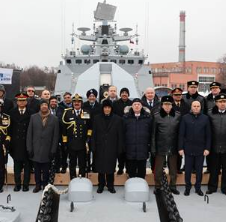
The Indian Navy's stealth frigate INS Sahyadri arrived at the Russian port of Vladivostok on 10 October 2026. It is scheduled to participate in the bilateral naval exercise INDRA-2026 between India and Russia. According to the report, the exercise will take place from 13 to 18 October 2026. The main objective is to strengthen operational cooperation, exchange professional experience, and improve coordination between the two navies during maritime operations. Features and Role of INS Sahyadri in...
The Indian Navy's stealth frigate INS Sahyadri arrived at the Russian port of Vladivostok on 10 October 2026. It is scheduled to participate in the bilateral naval exercise INDRA-2026 between India and Russia. According to the report, the exercise will take place from 13 to 18 October 2026. The main objective is to strengthen operational cooperation, exchange professional experience, and improve coordination between the two navies during maritime operations. Features and Role of INS Sahyadri in the Indian Navy INS Sahyadri is an indigenously built stealth multi-role frigate of the Shivalik class, associated with Project 17. Stealth technology aims to reduce a warship's radar signature and detectability. The warship is designed to undertake a range of naval operations involving surface threats, aerial threats, and submarines. Its participation highlights India's indigenous defence manufacturing capabilities and the importance of sharing operational experience with foreign navies. Major Phases of INDRA-2026 The exercise includes two major phases. The first is the harbour phase, which involves professional interactions between naval officers, planning, expert discussions, and the exchange of experience. The second is the sea phase, during which both navies undertake coordinated operational activities and naval drills to improve interoperability. Social and cultural activities may also promote mutual understanding and cooperation between naval personnel from the two countries. Interoperability refers to the ability of the armed forces of different countries to work effectively together through shared procedures, communication systems, and operational coordination. Strategic Importance of the India-Russia Defence Partnership Defence cooperation has long been an important pillar of bilateral relations between India and Russia. Both countries cooperate through military equipment, defence technology, training, and joint military exercises. Exercises such as INDRA help improve naval capabilities, familiarise personnel with operational procedures, and strengthen their ability to address maritime security challenges. During the 23rd Annual Summit held in December 2025, India and Russia reiterated their commitment to advancing their Special and Privileged Strategic Partnership. India's Maritime Vision: MAHASAGAR MAHASAGAR has special significance in India's maritime diplomacy. Its full form is Mutual and Holistic Advancement for Security and Growth Across Regions. The vision emphasises maritime security, regional cooperation, capacity-building, and shared development. Exercises such as INDRA-2026 provide India with opportunities to share naval experience and strengthen broader maritime cooperation. UPSC aspirants should understand the objectives of MAHASAGAR and India's earlier SAGAR concept, along with their wider maritime context. Examination Relevance and Important Facts for UPSC Questions in the UPSC Preliminary Examination may cover the class of INS Sahyadri, the participating countries, the location and dates of the exercise, and the full form of MAHASAGAR. For the Main Examination, the topic is relevant to GS Paper 2 in the context of the India-Russia strategic partnership and GS Paper 3 in relation to defence modernisation, indigenous warship construction, and maritime security. It is also useful to study India's maritime diplomacy, cooperation in the Indo-Pacific, and the role of joint military exercises. According to the Indian Navy, INS Sahyadri also participated in the ASEAN-India Maritime Exercise (AIME-2026) held in the Philippines in October 2026, illustrating India's broader maritime cooperation.
Read More
- 14 October 2026
- Sci - tech
INS Sahyadri Arrives in Russia for the India-Russia Naval Exercise INDRA-2026
The Indian Navy's stealth frigate INS Sahyadri arrived at the Russian port of Vladivostok on 10 October 2026. It is scheduled to participate in the bilateral naval exercise INDRA-2026 between India and Russia. According to the report, the exercise will take place from 13 to 18 October 2026. The main objective is to strengthen operational cooperation, exchange professional experience, and improve coordination between the two navies during maritime operations. Features and Role of INS Sahyadri in...
The Indian Navy's stealth frigate INS Sahyadri arrived at the Russian port of Vladivostok on 10 October 2026. It is scheduled to participate in the bilateral naval exercise INDRA-2026 between India and Russia. According to the report, the exercise will take place from 13 to 18 October 2026. The main objective is to strengthen operational cooperation, exchange professional experience, and improve coordination between the two navies during maritime operations. Features and Role of INS Sahyadri in the Indian Navy INS Sahyadri is an indigenously built stealth multi-role frigate of the Shivalik class, associated with Project 17. Stealth technology aims to reduce a warship's radar signature and detectability. The warship is designed to undertake a range of naval operations involving surface threats, aerial threats, and submarines. Its participation highlights India's indigenous defence manufacturing capabilities and the importance of sharing operational experience with foreign navies. Major Phases of INDRA-2026 The exercise includes two major phases. The first is the harbour phase, which involves professional interactions between naval officers, planning, expert discussions, and the exchange of experience. The second is the sea phase, during which both navies undertake coordinated operational activities and naval drills to improve interoperability. Social and cultural activities may also promote mutual understanding and cooperation between naval personnel from the two countries. Interoperability refers to the ability of the armed forces of different countries to work effectively together through shared procedures, communication systems, and operational coordination. Strategic Importance of the India-Russia Defence Partnership Defence cooperation has long been an important pillar of bilateral relations between India and Russia. Both countries cooperate through military equipment, defence technology, training, and joint military exercises. Exercises such as INDRA help improve naval capabilities, familiarise personnel with operational procedures, and strengthen their ability to address maritime security challenges. During the 23rd Annual Summit held in December 2025, India and Russia reiterated their commitment to advancing their Special and Privileged Strategic Partnership. India's Maritime Vision: MAHASAGAR MAHASAGAR has special significance in India's maritime diplomacy. Its full form is Mutual and Holistic Advancement for Security and Growth Across Regions. The vision emphasises maritime security, regional cooperation, capacity-building, and shared development. Exercises such as INDRA-2026 provide India with opportunities to share naval experience and strengthen broader maritime cooperation. UPSC aspirants should understand the objectives of MAHASAGAR and India's earlier SAGAR concept, along with their wider maritime context. Examination Relevance and Important Facts for UPSC Questions in the UPSC Preliminary Examination may cover the class of INS Sahyadri, the participating countries, the location and dates of the exercise, and the full form of MAHASAGAR. For the Main Examination, the topic is relevant to GS Paper 2 in the context of the India-Russia strategic partnership and GS Paper 3 in relation to defence modernisation, indigenous warship construction, and maritime security. It is also useful to study India's maritime diplomacy, cooperation in the Indo-Pacific, and the role of joint military exercises. According to the Indian Navy, INS Sahyadri also participated in the ASEAN-India Maritime Exercise (AIME-2026) held in the Philippines in October 2026, illustrating India's broader maritime cooperation.
Read More
- 14 October 2026
- Awards
Sunil Bharti Mittal to Receive France's Highest Civilian Honour, the Legion of Honour
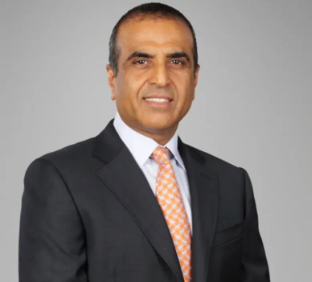
The Legion of Honour, to be conferred upon Sunil Bharti Mittal, Founder and Chairman of Bharti Enterprises, can be viewed in the context of India-France economic and technological cooperation. According to the supplied news report, French President Emmanuel Macron is expected to confer the distinction of Chevalier (Knight) upon him. The report mentions 28 October 2026 as the date of the award ceremony at the French Embassy in New Delhi. The honour recognises his contributions to telecommunicatio...
The Legion of Honour, to be conferred upon Sunil Bharti Mittal, Founder and Chairman of Bharti Enterprises, can be viewed in the context of India-France economic and technological cooperation. According to the supplied news report, French President Emmanuel Macron is expected to confer the distinction of Chevalier (Knight) upon him. The report mentions 28 October 2026 as the date of the award ceremony at the French Embassy in New Delhi. The honour recognises his contributions to telecommunications, satellite communications, and long-standing business relations between the two countries. Legion of Honour: Establishment and Key Features The Legion of Honour (Légion d'honneur) is France's highest national honour. It was established by Napoleon Bonaparte on 19 May 1802. It may be conferred upon French citizens and foreign nationals for exceptional contributions and distinguished service in civilian and military fields. Its objective is to recognise outstanding contributions in public life, science, culture, business, and other areas. Five Ranks of the Legion of Honour The Legion of Honour consists of five ranks representing different levels of distinction. These are Chevalier, Officer (Officier), Commander (Commandeur), Grand Officer (Grand Officier), and Grand Cross (Grand-Croix). Chevalier is the entry-level rank, while Grand Cross is the highest rank. Sunil Bharti Mittal is to receive the distinction of Chevalier. Contribution to India-France Economic and Technological Relations Sunil Bharti Mittal's business association with France began in 1992, when the French company Compagnie Générale des Eaux collaborated with Bharti to launch mobile telecommunications services in India. In addition, Mittal has been associated with European satellite communications company Eutelsat as its Co-Chairman. Cooperation in telecommunications, digital infrastructure, and satellite communications strengthens the economic and technological dimensions of India-France relations. Major Awards and Honours Received by Sunil Bharti Mittal Sunil Bharti Mittal was awarded the Padma Bhushan in 2007. In 2024, he received an honorary Knight Commander of the Order of the British Empire (KBE) distinction from King Charles III of the United Kingdom. His selection for the Chevalier distinction of France's Legion of Honour in 2026 is noteworthy in the context of international business and bilateral economic relations. Strategic Importance of India-France Relations for UPSC India-France relations extend across defence, space, civil nuclear energy, renewable energy, digital technology, and trade. Private-sector companies and business leaders contribute to these relations through investment, technological cooperation, and commercial partnerships. Cooperation in telecommunications and satellite communications is important for the development of digital connectivity and space-based services. For the UPSC Main Examination, this news can be linked to India's strategic partnerships, technology transfer, economic diplomacy, and the role of the private sector.
Read More
- 14 October 2026
- Awards
Sunil Bharti Mittal to Receive France's Highest Civilian Honour, the Legion of Honour
The Legion of Honour, to be conferred upon Sunil Bharti Mittal, Founder and Chairman of Bharti Enterprises, can be viewed in the context of India-France economic and technological cooperation. According to the supplied news report, French President Emmanuel Macron is expected to confer the distinction of Chevalier (Knight) upon him. The report mentions 28 October 2026 as the date of the award ceremony at the French Embassy in New Delhi. The honour recognises his contributions to telecommunicatio...
The Legion of Honour, to be conferred upon Sunil Bharti Mittal, Founder and Chairman of Bharti Enterprises, can be viewed in the context of India-France economic and technological cooperation. According to the supplied news report, French President Emmanuel Macron is expected to confer the distinction of Chevalier (Knight) upon him. The report mentions 28 October 2026 as the date of the award ceremony at the French Embassy in New Delhi. The honour recognises his contributions to telecommunications, satellite communications, and long-standing business relations between the two countries. Legion of Honour: Establishment and Key Features The Legion of Honour (Légion d'honneur) is France's highest national honour. It was established by Napoleon Bonaparte on 19 May 1802. It may be conferred upon French citizens and foreign nationals for exceptional contributions and distinguished service in civilian and military fields. Its objective is to recognise outstanding contributions in public life, science, culture, business, and other areas. Five Ranks of the Legion of Honour The Legion of Honour consists of five ranks representing different levels of distinction. These are Chevalier, Officer (Officier), Commander (Commandeur), Grand Officer (Grand Officier), and Grand Cross (Grand-Croix). Chevalier is the entry-level rank, while Grand Cross is the highest rank. Sunil Bharti Mittal is to receive the distinction of Chevalier. Contribution to India-France Economic and Technological Relations Sunil Bharti Mittal's business association with France began in 1992, when the French company Compagnie Générale des Eaux collaborated with Bharti to launch mobile telecommunications services in India. In addition, Mittal has been associated with European satellite communications company Eutelsat as its Co-Chairman. Cooperation in telecommunications, digital infrastructure, and satellite communications strengthens the economic and technological dimensions of India-France relations. Major Awards and Honours Received by Sunil Bharti Mittal Sunil Bharti Mittal was awarded the Padma Bhushan in 2007. In 2024, he received an honorary Knight Commander of the Order of the British Empire (KBE) distinction from King Charles III of the United Kingdom. His selection for the Chevalier distinction of France's Legion of Honour in 2026 is noteworthy in the context of international business and bilateral economic relations. Strategic Importance of India-France Relations for UPSC India-France relations extend across defence, space, civil nuclear energy, renewable energy, digital technology, and trade. Private-sector companies and business leaders contribute to these relations through investment, technological cooperation, and commercial partnerships. Cooperation in telecommunications and satellite communications is important for the development of digital connectivity and space-based services. For the UPSC Main Examination, this news can be linked to India's strategic partnerships, technology transfer, economic diplomacy, and the role of the private sector.
Read More
- 14 October 2026
- Awards
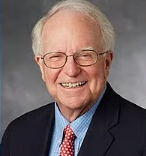
Robert E. Hall and Michael Woodford Win the 2026 Nobel Prize in Economic Sciences
The contributions of Robert E. Hall and Michael Woodford in the context of the 2026 Prize in Economic Sciences are associated with the microeconomic foundations of macroeconomic stabilisation. Macroeconomics studies aggregate indicators such as overall output, employment, and inflation, whereas microeconomics analyses the economic decisions of consumers, households, and firms. Understanding the relationship between these two branches of economics helps explain how individual economic decisions i...
The contributions of Robert E. Hall and Michael Woodford in the context of the 2026 Prize in Economic Sciences are associated with the microeconomic foundations of macroeconomic stabilisation. Macroeconomics studies aggregate indicators such as overall output, employment, and inflation, whereas microeconomics analyses the economic decisions of consumers, households, and firms. Understanding the relationship between these two branches of economics helps explain how individual economic decisions influence the national economy. Microeconomic Foundations of Macroeconomic Stabilisation The microeconomic foundations of macroeconomic stabilisation seek to explain how individual decisions concerning consumption, saving, investment, wages, and prices influence overall economic activity. For example, if households increase their savings because they expect their future income to decline, consumer demand may fall. Similarly, if uncertainty about future demand increases, firms may reduce investment and production. The combined effect of these decisions influences output, employment, and economic growth. Therefore, understanding the behaviour of households and businesses is as important as studying aggregate economic data when formulating effective economic policies. Monetary Policy and the Role of Central Banks Through monetary policy, central banks use interest rates, liquidity management, and other monetary instruments to influence economic activity and inflation. When economic demand is weak, reducing interest rates, depending on prevailing conditions, may encourage borrowing, investment, and consumption. Conversely, during periods of excessive inflation, increasing interest rates may help reduce demand-side pressures. Policy announcements and the credibility of central banks are also important because households and firms may change their present decisions based on their expectations of future policies. In India, the monetary policy of the Reserve Bank of India (RBI) is an important component of this broader economic framework. Fiscal Policy and Economic Stability Fiscal policy influences the economy through government decisions concerning taxation, public expenditure, and borrowing. During an economic slowdown, the government may support demand and employment by increasing public investment or targeted expenditure. Conversely, fiscal adjustment may be necessary when excessive demand creates inflationary pressures. However, the effectiveness of a policy depends on prevailing economic conditions, the government's fiscal position, consumer expectations, and the response of private investment. Economic Crises, Expectations, and Policy Credibility Global economic crises during the 1970s highlighted the complex relationships among inflation, slow economic growth, and unemployment. These developments increased the need for economic models that also account for people's expectations and decision-making behaviour. For example, if a central bank provides a credible indication of future interest-rate changes, firms may revise investment decisions and households may alter major consumption decisions in advance. Similarly, a sudden increase in energy prices can raise production costs and create inflationary pressures. Therefore, achieving economic stability requires not only policy measures but also transparent communication, policy credibility, and institutional preparedness to manage economic shocks. Relevance for UPSC and Contemporary Economic Issues This topic is directly relevant to GS Paper 3 of the UPSC Main Examination, particularly inflation management, economic growth, employment, investment, monetary policy, and fiscal management. Questions in the Preliminary Examination may cover microeconomics and macroeconomics, the role of the RBI, policy interest rates, and the establishment of the Prize in Economic Sciences. In essays and analytical answers, the topic can help explain the relationship between economic stability and public welfare. In the Indian context, aspirants should connect the subject with the RBI's inflation-targeting framework, government capital expenditure, employment generation, and consumer demand. This approach helps candidates analyse both the immediate effects and the long-term consequences of economic policies.
Read More
- 14 October 2026
- Awards
Robert E. Hall and Michael Woodford Win the 2026 Nobel Prize in Economic Sciences
The contributions of Robert E. Hall and Michael Woodford in the context of the 2026 Prize in Economic Sciences are associated with the microeconomic foundations of macroeconomic stabilisation. Macroeconomics studies aggregate indicators such as overall output, employment, and inflation, whereas microeconomics analyses the economic decisions of consumers, households, and firms. Understanding the relationship between these two branches of economics helps explain how individual economic decisions i...
The contributions of Robert E. Hall and Michael Woodford in the context of the 2026 Prize in Economic Sciences are associated with the microeconomic foundations of macroeconomic stabilisation. Macroeconomics studies aggregate indicators such as overall output, employment, and inflation, whereas microeconomics analyses the economic decisions of consumers, households, and firms. Understanding the relationship between these two branches of economics helps explain how individual economic decisions influence the national economy. Microeconomic Foundations of Macroeconomic Stabilisation The microeconomic foundations of macroeconomic stabilisation seek to explain how individual decisions concerning consumption, saving, investment, wages, and prices influence overall economic activity. For example, if households increase their savings because they expect their future income to decline, consumer demand may fall. Similarly, if uncertainty about future demand increases, firms may reduce investment and production. The combined effect of these decisions influences output, employment, and economic growth. Therefore, understanding the behaviour of households and businesses is as important as studying aggregate economic data when formulating effective economic policies. Monetary Policy and the Role of Central Banks Through monetary policy, central banks use interest rates, liquidity management, and other monetary instruments to influence economic activity and inflation. When economic demand is weak, reducing interest rates, depending on prevailing conditions, may encourage borrowing, investment, and consumption. Conversely, during periods of excessive inflation, increasing interest rates may help reduce demand-side pressures. Policy announcements and the credibility of central banks are also important because households and firms may change their present decisions based on their expectations of future policies. In India, the monetary policy of the Reserve Bank of India (RBI) is an important component of this broader economic framework. Fiscal Policy and Economic Stability Fiscal policy influences the economy through government decisions concerning taxation, public expenditure, and borrowing. During an economic slowdown, the government may support demand and employment by increasing public investment or targeted expenditure. Conversely, fiscal adjustment may be necessary when excessive demand creates inflationary pressures. However, the effectiveness of a policy depends on prevailing economic conditions, the government's fiscal position, consumer expectations, and the response of private investment. Economic Crises, Expectations, and Policy Credibility Global economic crises during the 1970s highlighted the complex relationships among inflation, slow economic growth, and unemployment. These developments increased the need for economic models that also account for people's expectations and decision-making behaviour. For example, if a central bank provides a credible indication of future interest-rate changes, firms may revise investment decisions and households may alter major consumption decisions in advance. Similarly, a sudden increase in energy prices can raise production costs and create inflationary pressures. Therefore, achieving economic stability requires not only policy measures but also transparent communication, policy credibility, and institutional preparedness to manage economic shocks. Relevance for UPSC and Contemporary Economic Issues This topic is directly relevant to GS Paper 3 of the UPSC Main Examination, particularly inflation management, economic growth, employment, investment, monetary policy, and fiscal management. Questions in the Preliminary Examination may cover microeconomics and macroeconomics, the role of the RBI, policy interest rates, and the establishment of the Prize in Economic Sciences. In essays and analytical answers, the topic can help explain the relationship between economic stability and public welfare. In the Indian context, aspirants should connect the subject with the RBI's inflation-targeting framework, government capital expenditure, employment generation, and consumer demand. This approach helps candidates analyse both the immediate effects and the long-term consequences of economic policies.
Read More

- 14 October 2026
- Awards
2026 Nobel Prize Winners
The Nobel Prizes were established in accordance with the will of Alfred Nobel, a Swedish scientist, inventor, and industrialist. In 1901, the prizes were first awarded in the fields of Physics, Chemistry, Physiology or Medicine, Literature, and Peace. Their objective is to honour individuals and institutions that have made significant contributions to humanity. The Prize in Economic Sciences was established in 1968 by Sveriges Riksbank in memory of Alfred Nobel and was first awarded in 1969. Six...
The Nobel Prizes were established in accordance with the will of Alfred Nobel, a Swedish scientist, inventor, and industrialist. In 1901, the prizes were first awarded in the fields of Physics, Chemistry, Physiology or Medicine, Literature, and Peace. Their objective is to honour individuals and institutions that have made significant contributions to humanity. The Prize in Economic Sciences was established in 1968 by Sveriges Riksbank in memory of Alfred Nobel and was first awarded in 1969. Six Categories of the Nobel Prize The Nobel Prizes are awarded in six categories: Physics, Chemistry, Physiology or Medicine, Literature, Peace, and Economic Sciences. Five of these categories are part of Alfred Nobel's original will, while the Prize in Economic Sciences was established later. Generally, the Royal Swedish Academy of Sciences awards the prizes in Physics, Chemistry, and Economic Sciences; the Nobel Assembly at the Karolinska Institute awards the prize in Physiology or Medicine; the Swedish Academy awards the Literature Prize; and the Norwegian Nobel Committee awards the Peace Prize. Role of Institutions in Prize Selection Different institutions have distinct responsibilities in the Nobel Prize selection process. The relevant Swedish institutions select the laureates in the scientific and literary categories, while the Norwegian Nobel Committee decides the recipient of the Peace Prize. This institutional arrangement is a key feature of the Nobel Prize system. Major Nobel Prize Winners of 2026 and Their Contributions In Physiology or Medicine, Karl Deisseroth, Peter Hegemann, and Georg Nagel were honoured for their work on optogenetics and light-sensitive ion channels. In Physics, Francis Halzen received the prize for his contributions to the IceCube Neutrino Observatory and the study of high-energy neutrinos of astrophysical origin. In Chemistry, Henri B. Kagan and Kenzo Soai were honoured for their research related to asymmetric synthesis and mirror-image molecules. The Literature Prize was awarded to Anne Carson, the Peace Prize to Navi Pillay, and the Prize in Economic Sciences to Robert E. Hall and Michael Woodford. Prize in Economic Sciences and Macroeconomic Stabilisation In 2026, the Prize in Economic Sciences was awarded to Robert E. Hall and Michael Woodford for their contributions to the microeconomic foundations of macroeconomic stabilisation. Their research helps explain how the consumption, investment, and pricing decisions of households and businesses affect the overall economy. These concepts are important for understanding fluctuations in inflation, output, and employment, as well as for analysing the effects of monetary policy. Importance and Analysis for the UPSC Examination UPSC aspirants should not restrict their study of the Nobel Prizes to memorising the names of the laureates. It is essential to understand each laureate's contribution, the relevant scientific concept, the institution awarding the prize, and its practical significance. For example, optogenetics is associated with neuroscience, neutrinos with particle physics and astrophysics, and asymmetric synthesis with pharmaceutical development. The Nobel Peace Prize can be linked to international law, human rights, and accountability, while the Prize in Economic Sciences can be connected to inflation and monetary policy. These topics are useful for factual questions in the Preliminary Examination and analytical questions in the Main Examination relating to Science and Technology, International Relations, Human Rights, and the Indian Economy.
Read More
- 14 October 2026
- Awards
2026 Nobel Prize Winners
The Nobel Prizes were established in accordance with the will of Alfred Nobel, a Swedish scientist, inventor, and industrialist. In 1901, the prizes were first awarded in the fields of Physics, Chemistry, Physiology or Medicine, Literature, and Peace. Their objective is to honour individuals and institutions that have made significant contributions to humanity. The Prize in Economic Sciences was established in 1968 by Sveriges Riksbank in memory of Alfred Nobel and was first awarded in 1969. Six...
The Nobel Prizes were established in accordance with the will of Alfred Nobel, a Swedish scientist, inventor, and industrialist. In 1901, the prizes were first awarded in the fields of Physics, Chemistry, Physiology or Medicine, Literature, and Peace. Their objective is to honour individuals and institutions that have made significant contributions to humanity. The Prize in Economic Sciences was established in 1968 by Sveriges Riksbank in memory of Alfred Nobel and was first awarded in 1969. Six Categories of the Nobel Prize The Nobel Prizes are awarded in six categories: Physics, Chemistry, Physiology or Medicine, Literature, Peace, and Economic Sciences. Five of these categories are part of Alfred Nobel's original will, while the Prize in Economic Sciences was established later. Generally, the Royal Swedish Academy of Sciences awards the prizes in Physics, Chemistry, and Economic Sciences; the Nobel Assembly at the Karolinska Institute awards the prize in Physiology or Medicine; the Swedish Academy awards the Literature Prize; and the Norwegian Nobel Committee awards the Peace Prize. Role of Institutions in Prize Selection Different institutions have distinct responsibilities in the Nobel Prize selection process. The relevant Swedish institutions select the laureates in the scientific and literary categories, while the Norwegian Nobel Committee decides the recipient of the Peace Prize. This institutional arrangement is a key feature of the Nobel Prize system. Major Nobel Prize Winners of 2026 and Their Contributions In Physiology or Medicine, Karl Deisseroth, Peter Hegemann, and Georg Nagel were honoured for their work on optogenetics and light-sensitive ion channels. In Physics, Francis Halzen received the prize for his contributions to the IceCube Neutrino Observatory and the study of high-energy neutrinos of astrophysical origin. In Chemistry, Henri B. Kagan and Kenzo Soai were honoured for their research related to asymmetric synthesis and mirror-image molecules. The Literature Prize was awarded to Anne Carson, the Peace Prize to Navi Pillay, and the Prize in Economic Sciences to Robert E. Hall and Michael Woodford. Prize in Economic Sciences and Macroeconomic Stabilisation In 2026, the Prize in Economic Sciences was awarded to Robert E. Hall and Michael Woodford for their contributions to the microeconomic foundations of macroeconomic stabilisation. Their research helps explain how the consumption, investment, and pricing decisions of households and businesses affect the overall economy. These concepts are important for understanding fluctuations in inflation, output, and employment, as well as for analysing the effects of monetary policy. Importance and Analysis for the UPSC Examination UPSC aspirants should not restrict their study of the Nobel Prizes to memorising the names of the laureates. It is essential to understand each laureate's contribution, the relevant scientific concept, the institution awarding the prize, and its practical significance. For example, optogenetics is associated with neuroscience, neutrinos with particle physics and astrophysics, and asymmetric synthesis with pharmaceutical development. The Nobel Peace Prize can be linked to international law, human rights, and accountability, while the Prize in Economic Sciences can be connected to inflation and monetary policy. These topics are useful for factual questions in the Preliminary Examination and analytical questions in the Main Examination relating to Science and Technology, International Relations, Human Rights, and the Indian Economy.
Read More